
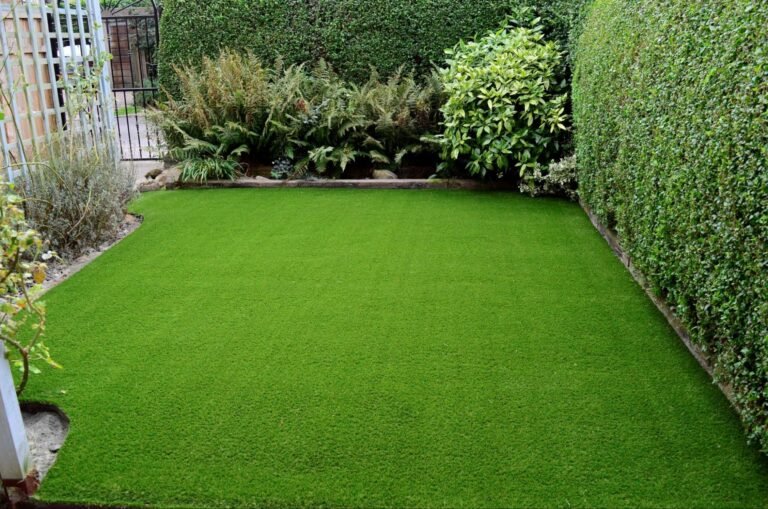
Artificial grass
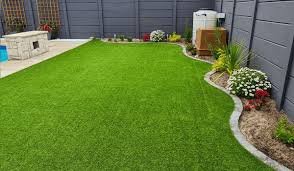
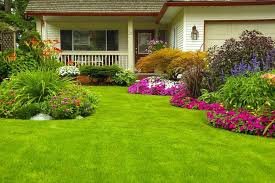
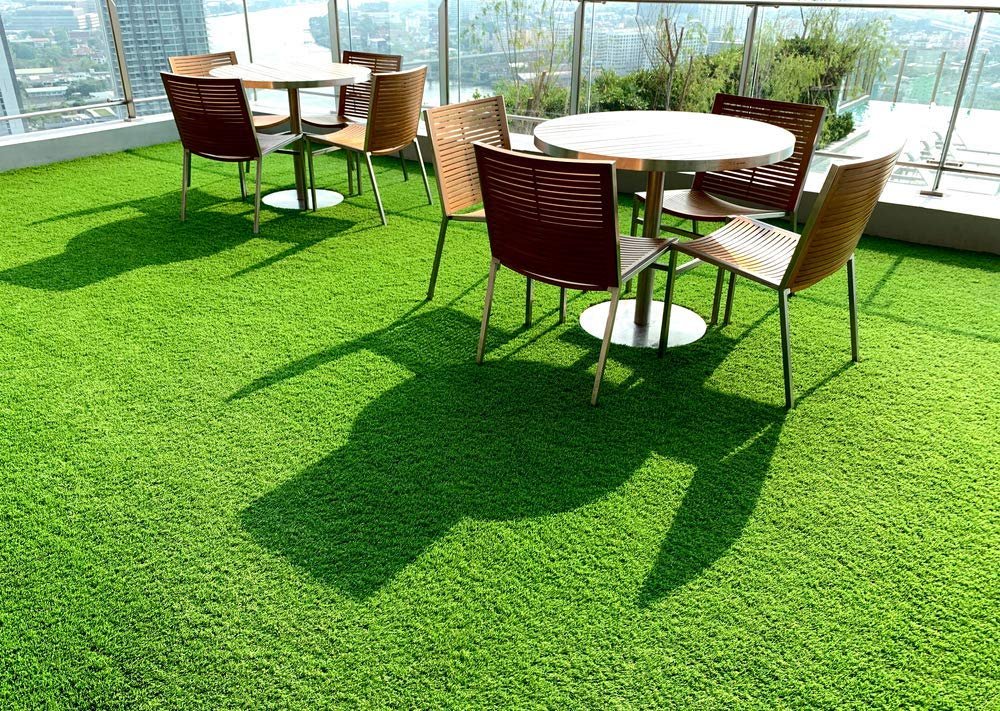
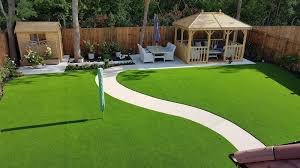
Artificial grass is a modern alternative to natural lawns, offering the look and feel of real grass without the hassle of constant maintenance. Whether it’s for your home, balcony, terrace, playground, or commercial space, artificial turf provides year-round greenery and durability
Artificial grass, also known as synthetic turf, has become a popular landscaping solution for homes, businesses, and sports facilities. Designed to look and feel like natural grass, it offers long-lasting beauty without the heavy maintenance of real lawns. With advancements in technology, modern artificial grass is soft, durable, and safe, making it suitable for almost every space
Why Choose Artificial Grass?
Artificial turf is more than just a substitute for natural grass—it’s a smart investment in beauty, convenience, and sustainability. With minimal care, it stays fresh, green, and inviting, making it a perfect solution for busy lifestyles and modern spaces
Our specialty
Balcony Safety Nets
safety is a top priority. Balconies offer a space to relax, enjoy the view, or simply soak up some fresh air.
Bird Netting Service
Balcony safety nets act as a barrier against birds, pigeons, and other pests.
Pigeon Nets for Balconies
Safety nets prevent them from accidentally falling off or getting stuck in tight spaces
Children Safety Nets
Balcony safety nets create a secure environment, particularly for families with young children.
Monkey Safety Nets
Pets, especially cats, can be curious and may attempt to jump or explore the balcony area.
Cricket Practice Nets
A cricket practice net is a setup where players can practice batting and bowling in a safe and controlled environment.
Coconut Tree Safety Nets
Coconut tree safety nets are specially designed nets installed around coconut trees to prevent coconuts or dry branches from falling and causing accidents.
Construction Safety Nets
They act as a safety barrier, ensuring a secure working environment at heights.
Benefits of Artificial Grass
Low Maintenance
Forget about mowing, watering, and fertilizing. Artificial turf stays green and fresh all year long with very little effort
Durability & Longevity
High-quality synthetic turf can withstand heavy use, harsh weather, and direct sunlight without fading or wearing out quickly
Water Saving
Lorem ipsum dolor sit amet, consectetur adipiscing elit. Ut elit tellus, luctus nec ullamcorper mattis, pulvinar dapibus leo.
Cost-Effective
While the initial investment may be higher than natural grass, you save money in the long run by cutting down on water bills, gardening tools, and maintenance services
Safe for Kids & Pets
Soft fibers and non-toxic materials make artificial grass safe for children’s play areas and pet zones. It also reduces mud, pests, and allergens
Aesthetic Appeal
Enjoy a lush, vibrant lawn 365 days a year, regardless of the season. It instantly enhances the look of any outdoor or indoor area
Choosing the Right Artificial Grass
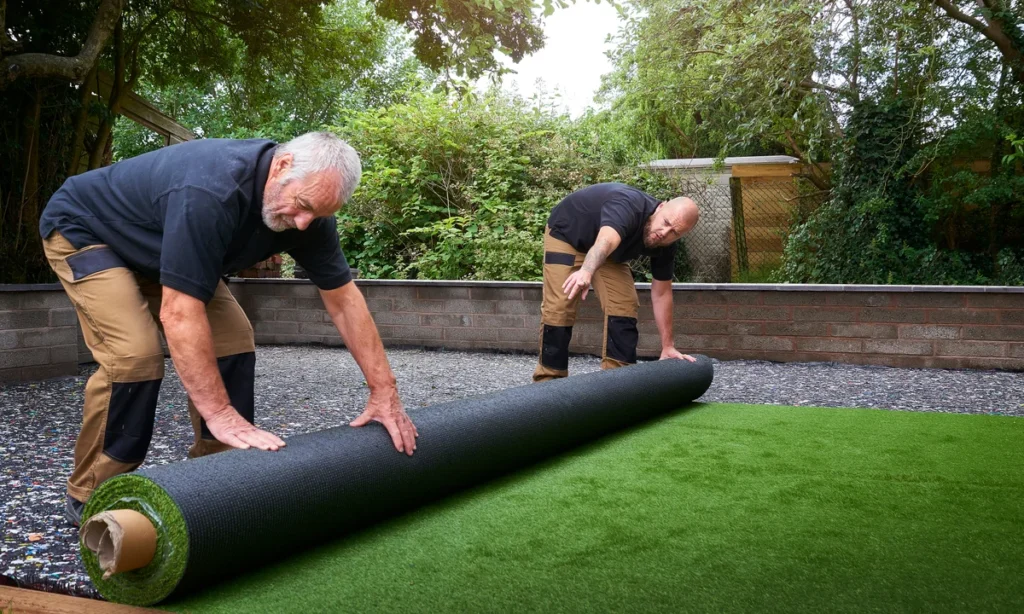
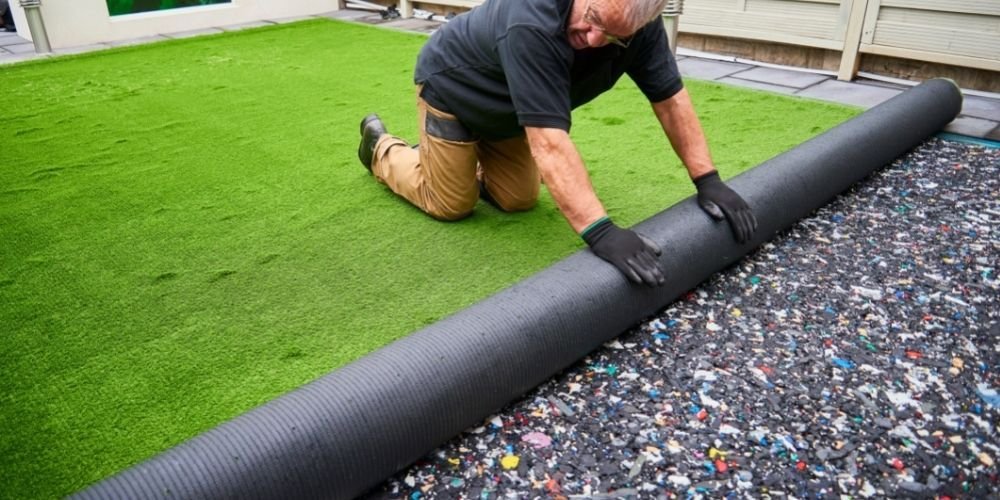
Quality that Lasts
Go for good-quality artificial grass that can handle daily use without wearing out. If it comes with a warranty, even better—it means you can trust it to stay in great shape for years.
Look & Feel (Pile Height & Density)
Think about how you want your lawn to look. Taller grass gives a soft, lush feel, while denser grass is stronger and stands up better to kids, pets, and heavy use.
Strong Backing
The backing is what keeps the grass in place. A solid backing with proper drainage will make sure your lawn stays stable and doesn’t collect water after rain.
Natural Appearance
Artificial grass comes in different greens and blade shapes. Choose the one that looks closest to real grass and blends nicely with your garden or outdoor area.
Caring for Your Artificial Garden Grass
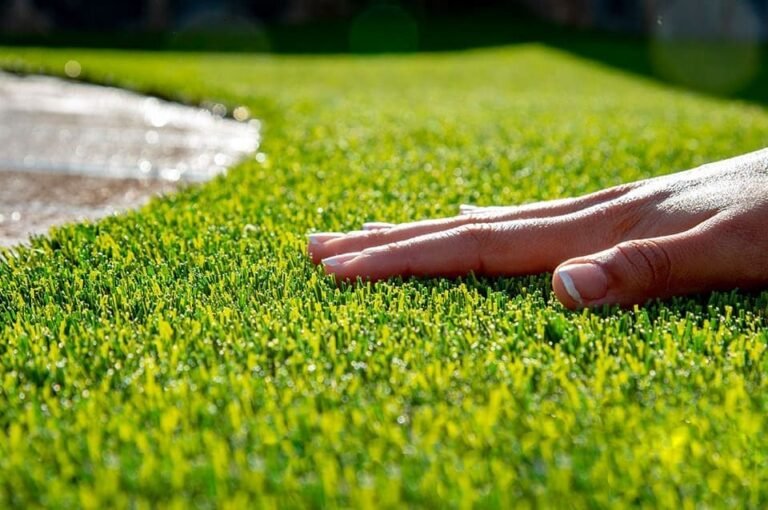
Brush Regularly
Give your lawn a quick brush every now and then to keep the blades standing tall and looking natural. A stiff broom or power brush works best—just brush against the grain. This also helps spread the infill evenly, which keeps the turf cushioned and durable.
Clear Away Debris
Leaves, twigs, and dirt can collect on the surface. To keep your grass looking neat, remove debris with a leaf blower, broom, or simply by hand. Regular tidying prevents buildup and keeps the area fresh.
Handle Spills & Stains Quickly
Accidents happen—whether from kids, pets, or outdoor activities. Clean spills right away with mild soap or a turf-safe cleaner, then rinse thoroughly with water. This prevents staining and keeps your grass spotless.
Pet Waste Care
If you have pets, remove solid waste as soon as possible and rinse the spot with water. For urine, the turf’s drainage will usually handle it, but occasional rinsing or deodorizing helps maintain freshness.
Control Weeds
Artificial grass keeps most weeds away, but some may pop up around the edges or seams. Check occasionally and pull them out by hand, or use a safe weed killer as recommended. This keeps your lawn looking pristine.
Protect from Damage
Avoid dragging sharp tools, high heels, or placing heavy furniture directly on the grass, as it can flatten or puncture it. If you need to place furniture, use pads or mats underneath to spread the weight evenly.
Keep it Cool
On very hot days, artificial grass can heat up. Adding shade with umbrellas or trees helps, or you can lightly spray the turf with water to cool it down for a more comfortable surface.
Occasional Professional Care
While basic cleaning is easy to do yourself, calling in professionals once in a while ensures your turf lasts longer. They can deep clean, add infill if needed, and check seams or edges to keep everything in top shape
Environmental Factors to Consider with Artificial Grass
Saving Water
One of the biggest advantages of artificial grass is that it doesn’t need watering like natural lawns do. This is especially helpful in drought-prone regions or places with limited water supply. By switching to synthetic turf, you’re actively reducing water usage and supporting conservation efforts.
No Harmful Chemicals
Real grass often relies on fertilizers, pesticides, and herbicides to stay healthy. These chemicals can harm wildlife and pollute rivers and lakes. Artificial grass removes the need for them, creating a cleaner and safer outdoor environment.
Lower Air & Noise Pollution
Maintaining natural grass usually means using gas-powered lawnmowers and trimmers, which release emissions and create noise. With artificial turf, you don’t need this equipment, which means cleaner air, quieter surroundings, and less disturbance for people and animals.
Less Irrigation Equipment
Sprinkler systems and irrigation setups require energy and water, adding to greenhouse gas emissions. Artificial grass eliminates the need for such systems, cutting down on energy use and your overall carbon footprint.
Reduced Maintenance
Because synthetic turf doesn’t need mowing, trimming, or edging, you avoid the fuel, electricity, and resources normally used for lawn care. This means fewer emissions and less energy consumed in the long run.
Durability & Longevity
Unlike natural grass that can wear out, die, or need reseeding, artificial turf is built to last. It can handle heavy use and all kinds of weather while keeping its look intact. Its long lifespan reduces waste and the need for frequent replacements.
Cost Analysis: Artificial Grass vs. Natural Grass
Artificial Grass
The cost of installing artificial grass is made up of several factors, including the price of the turf itself, site preparation, labor, and extra materials like infill and adhesives. The total expense can vary depending on the size of the area, the quality of turf you choose, and how complex the installation is. While the initial investment is usually higher than natural grass, it’s largely due to the durable materials and the need for skilled installation.
Natural Grass
The upfront cost of installing natural grass usually covers seeds or sod, soil preparation, irrigation setup, fertilizers, and labor. Although seeds may seem inexpensive, additional expenses such as preparing the soil, installing watering systems, and regular upkeep can increase the overall cost. Growing and maintaining natural grass also demands considerable time, effort, and resources to achieve a lush and attractive lawn.